Across the country, holiday gatherings and year-end festivities are looking a bit different as many Americans reduce or forgo alcohol. Analysts and public-health observers point to four main forces behind the shift: the rise of GLP‑1 weight‑loss medications, growing health and wellness priorities, financial pressures, and changing social norms.
First, the expanding use of GLP‑1 drugs — medications originally developed for diabetes and now widely prescribed for weight management — has altered drinking behavior for some patients. Physicians often advise caution with alcohol while starting these therapies because of gastrointestinal side effects and potential interactions. For people focused on weight loss, cutting calories from alcoholic beverages becomes a logical step.
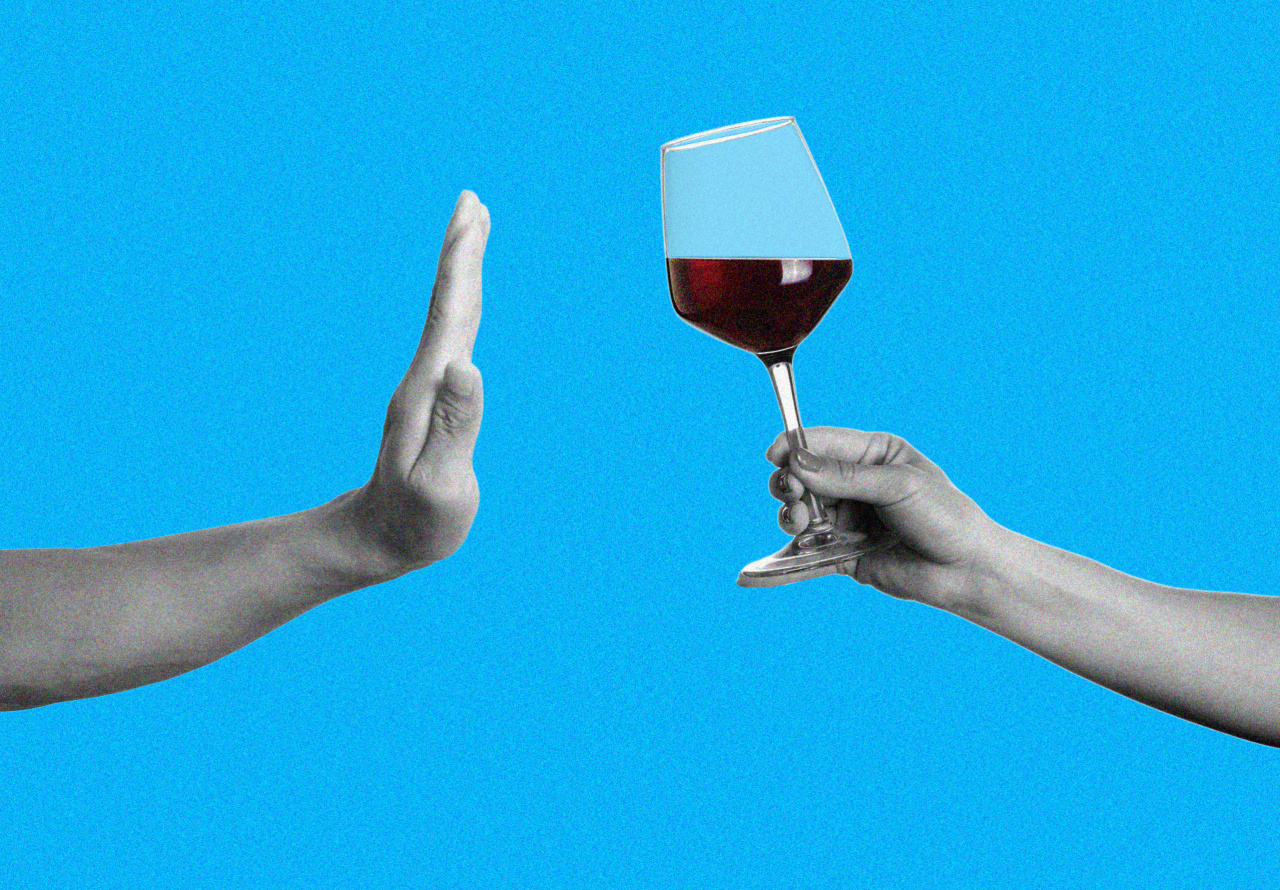
Second, a broader wellness trend is reshaping consumption. More consumers are embracing mindful or sober-curious lifestyles, prioritizing sleep, mental clarity and fitness over alcohol-fueled nights. The market has responded with more non‑alcoholic beers, spirits and social alternatives, making it easier to decline drinks without feeling excluded.
Third, economic realities are influencing choices. With household budgets stretched by inflation and higher living costs, discretionary items like premium cocktails, dining out and holiday alcohol purchases are often among the first expenses scaled back. For many, the perceived value of drinking has shifted relative to other priorities.
Finally, social norms are evolving. Younger cohorts report lower rates of regular drinking compared with previous generations, and social gatherings now frequently include a mix of alcohol-free options. Employers and event planners are also more likely to offer inclusive environments where sobriety is accepted, which reduces social pressure to consume.
These trends don’t eliminate drinking, but they help explain a noticeable decline in alcohol sales and fewer people choosing to drink during the holidays. Industry observers say the combination of medical guidance around new therapies, personal health goals, tighter budgets and shifting social dynamics is producing a sustained, if gradual, change in American drinking habits. As non‑alcoholic alternatives and wellness messaging become more mainstream, this pattern may continue beyond the holiday season.
Why Americans Are Drinking Less This Holiday Season: 4 Key Drivers
MarketWatch Top Stories
•
•
2 min read
•
Intermediate