When social-media entrepreneur Logan Paul paid $5.3 million for a rare Pokémon card, the transaction did more than make headlines — it rekindled a broader conversation about collectibles as investable assets. High-profile sales like this highlight the outsized returns some collectors have realized, but financial advisers and market analysts caution that such purchases are not straightforward substitutes for stocks or bonds.
Collectibles — ranging from trading cards and vintage toys to art and rare coins — can appreciate rapidly when demand, rarity and provenance align. For small groups of enthusiasts and speculators, these markets have produced spectacular gains. Yet the same features that create scarcity-driven upside also create significant risks: limited liquidity, subjective valuation, high transaction costs, and potential for fraud or misrepresentation.
Experts recommend treating collectibles as alternative investments that occupy a small, intentionally managed portion of a diversified portfolio. Unlike equities, collectibles typically lack standardized pricing, broad market-making, and consistent cash flows, which complicates valuation and portfolio stress-testing. When liquidity dries up, owners may find that a headline sale represents an outlier rather than a repeatable market price.
Practical considerations go beyond valuation. Authentication, storage, insurance and provenance documentation materially affect long-term returns and carrying costs. Tax implications are another factor: capital gains treatment, collectible-specific tax rules, and estate planning concerns differ from traditional financial assets.
For most individual investors, advisors suggest exposure limits — for example, a single-digit percentage of investable assets — accompanied by rigorous due diligence. Diversification within alternative assets, access to expert appraisals, and careful record-keeping can mitigate some risks, but they do not eliminate market volatility or structural limitations.
High-profile buys by celebrities can accelerate interest and bidding in niche markets, temporarily inflating prices. Investors should distinguish between cultural enthusiasm and sustainable investment thesis. For those attracted to the passion and enjoyment of collecting, owning tangible items can provide nonfinancial value. For those focused purely on risk-adjusted returns, traditional asset classes or professionally managed alternative strategies may offer clearer frameworks for assessment.
Logan Paul’s purchase is a reminder that collectibles sit at the intersection of culture, speculation and investment. As with any unusual asset, clear objectives, conservative sizing and an understanding of the market mechanics are essential before allocating portfolio capital to collectibles.
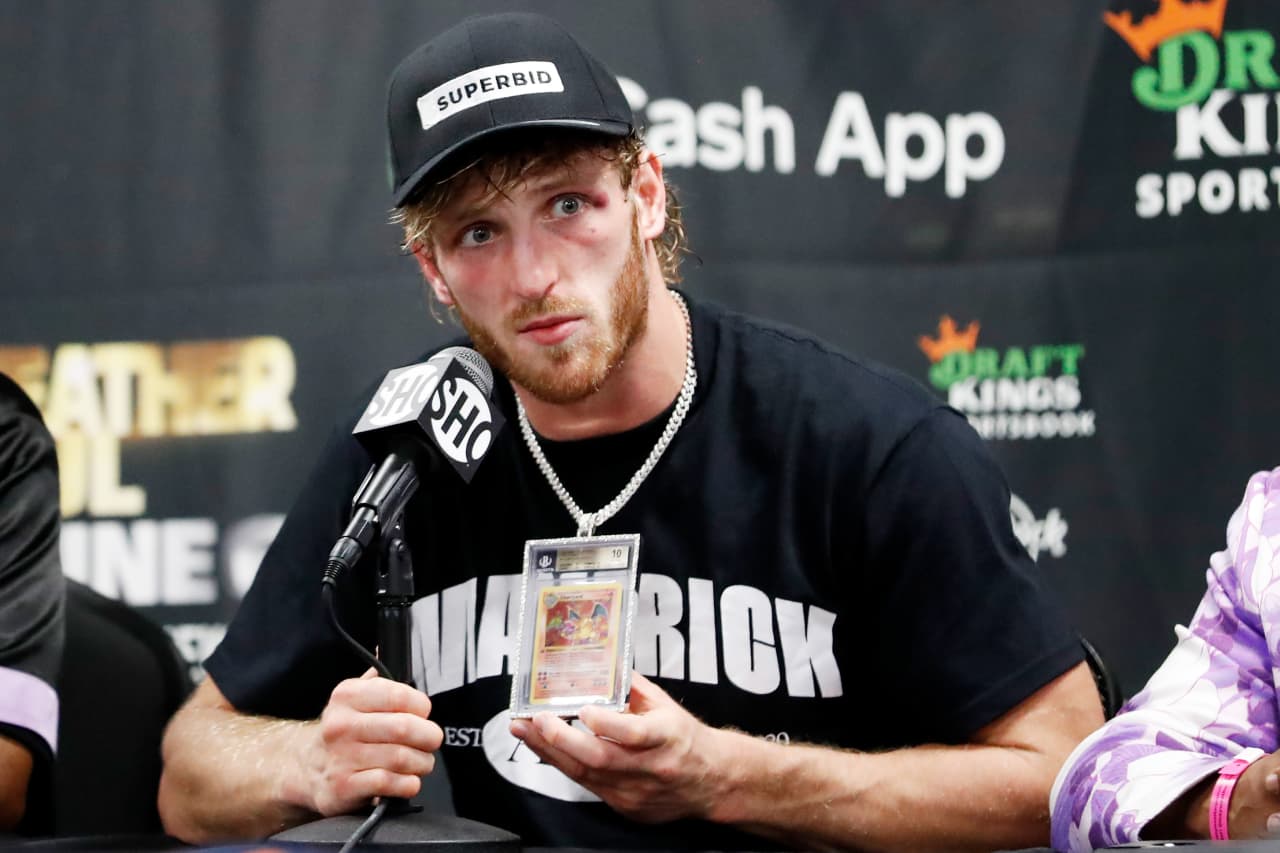
Logan Paul’s $5.3M Pokémon Purchase Sparks Debate Over Collectibles in Portfolios
MarketWatch Top Stories
•
•
2 min read
•
Intermediate